Let users adapt your app without changing it for everyone.
Bustling is a React SDK that lets users personalize your product within boundaries you define.
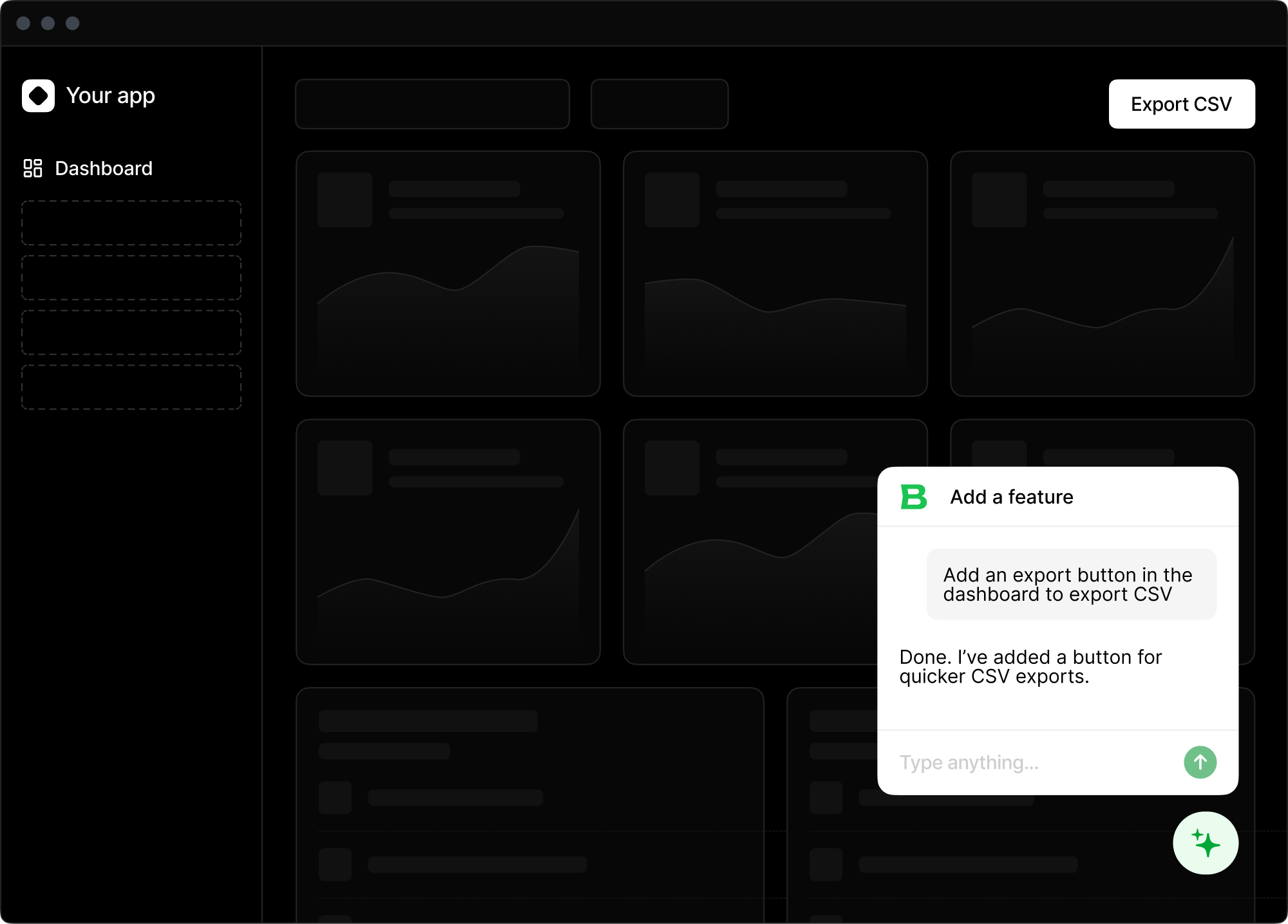
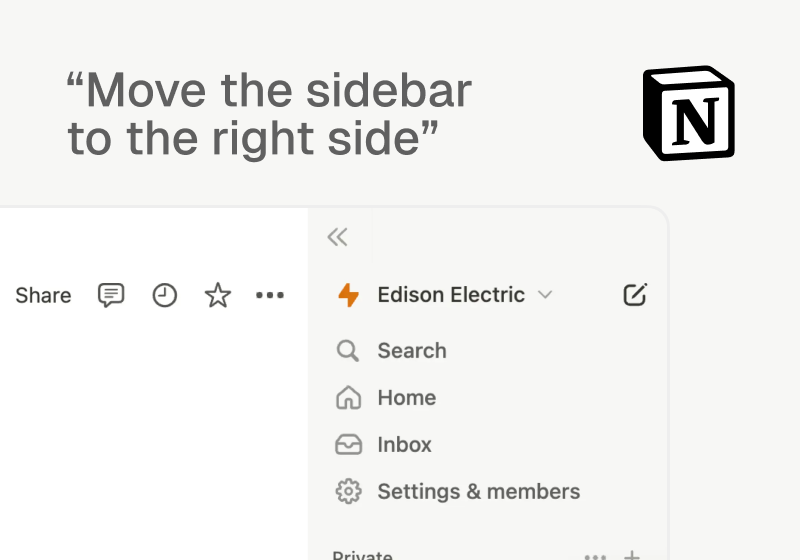
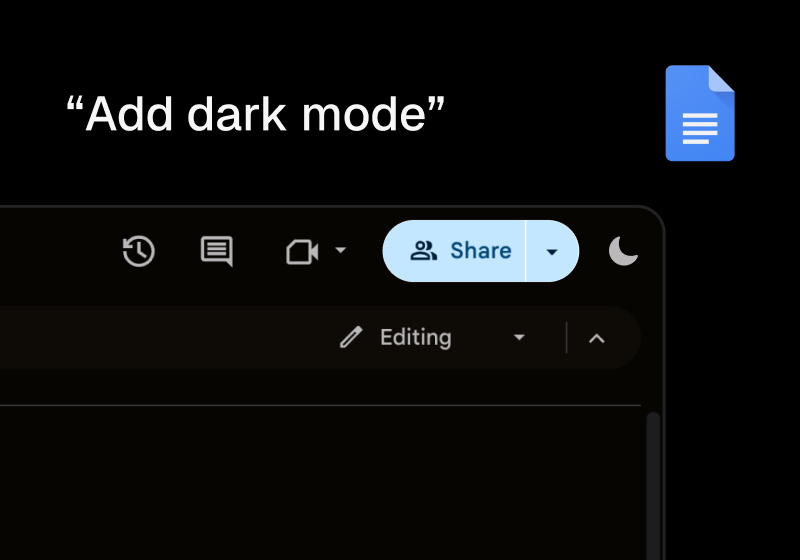
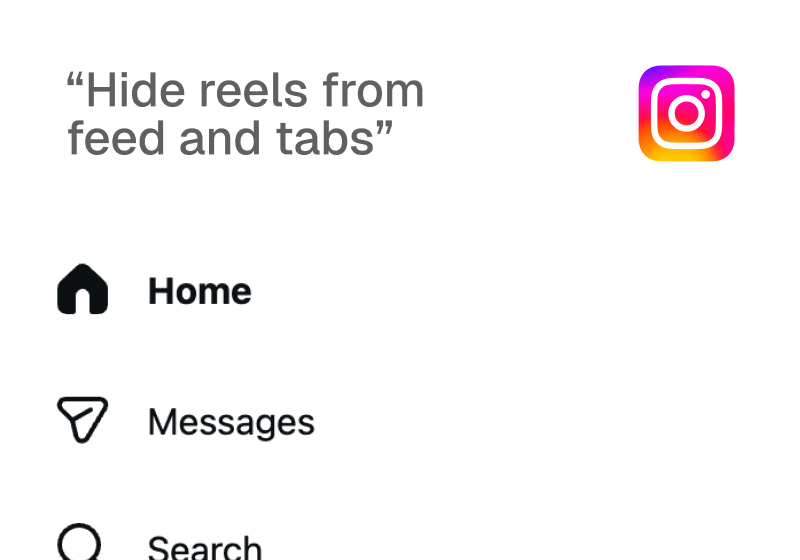
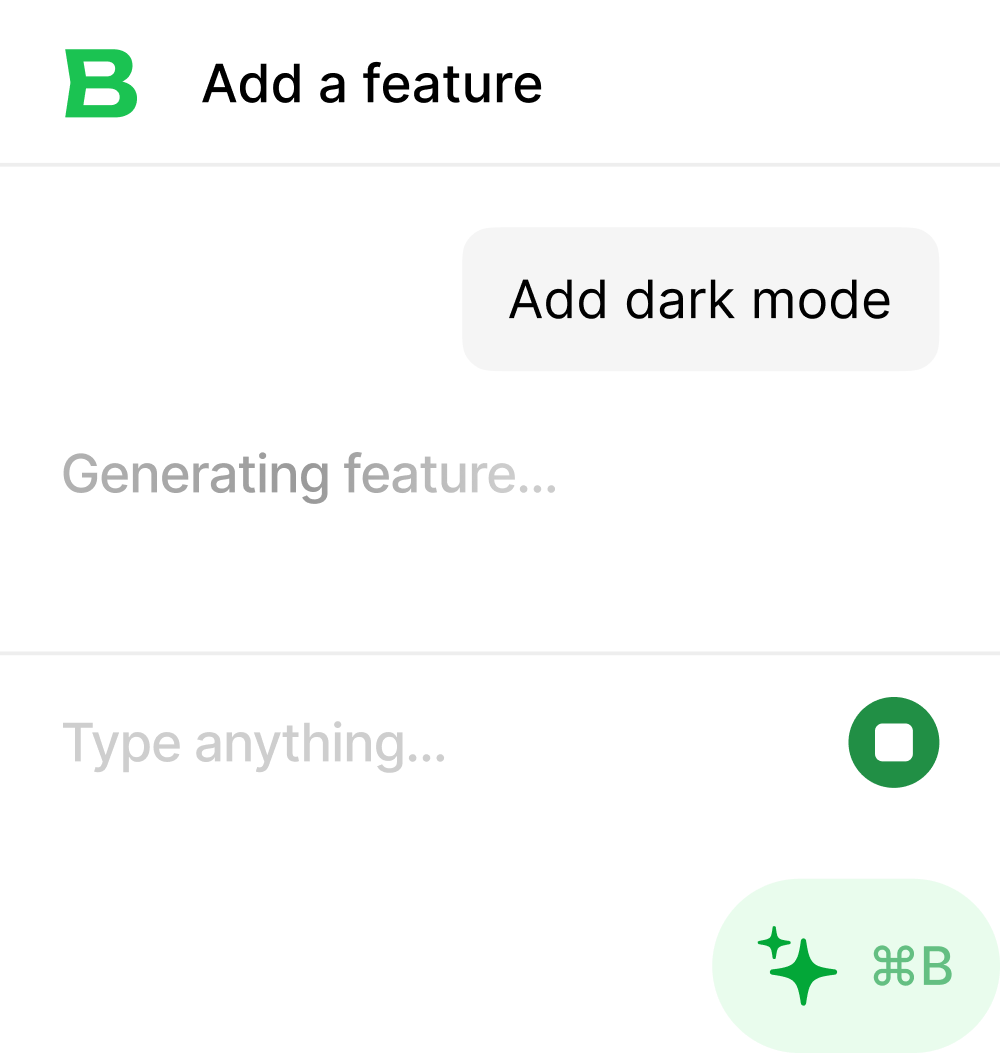
Define the space.
Let users work inside it.
Bustling is not a free-form editor. You expose approved components, actions, and data hooks. Users can combine them into changes that fit their own workflow.
Expose the parts of your app Bustling can work with.
Bustling lives in your codebase. You define the components, actions, and data it can use. The adaptation layer only works inside that surface.
    import  {
defineBustling  }  from
"@bustling/react"
 ;
export default

defineBustling
 ({
components
:  "./src/ui" ,
capabilities
:
"./src/bustling/capabilities"
 ,
protected
:  [
"./src/auth"
 ,
"./src/billing"
] , }); 
What people build becomes signal.
A feature request is easy to dismiss in isolation. It matters more when people keep creating the same adaptation and continue using it.
| Feature | Retention over 4 weeks | Users | Trend |
|---|---|---|---|
| CSV export dashboard › revenue table | 94%
still using after 4 wks
| 48 | ↑ growing |
| Compact row density dashboard › table view | 81%
still using after 4 wks
| 31 | → stable |
| Pipeline summary widget dashboard › sidebar | 62%
still using after 4 wks
| 19 | ↓ dropping |
| Hide team activity settings › team preferences | —
still using after 4 wks
| 11 | low signal |
Some requests should skip the roadmap. Some should graduate into it.
Bustling gives smaller needs somewhere to go first. Product teams can see what gets used before deciding what deserves to become native.
Let edge cases stay personal
A request that matters to twelve users should not have to compete with one that matters to twelve thousand. Some changes can simply live with the people who need them.
See what keeps getting rebuilt
Instead of collecting more requests, you see which adaptations appear again, where they appear, and whether people keep them.
Get clearer signal for what to build next
Bustling does not remove the boundary. You decide what can be adapted, and you decide when repeated behavior deserves a native feature.
Build apps people can make their own.
Looking for developers and product teams to test Bustling early.